


-

Add: HeBei ShengShi HongBang Cellulose Technology CO.,LTD.
-

Email
13180486930@163.com -

CONTACT US
+86 13180486930



In the vast landscape of chemical manufacturing, Hydroxypropyl Methylcellulose (HPMC) stands out as a crucial compound with diverse applications ranging from construction to pharmaceuticals. When it comes to sourcing HPMC, China emerges as a dominant player in the global market, home to some of the most reputable manufacturers known for producing high-quality HPMC products. This article explores the landscape of HPMC manufacturers in China, emphasizing the importance of Experience, Expertise, Authoritativeness, and Trustworthiness (E-E-A-T) for international buyers seeking reliable partners. Navigating the intricate world of chemical suppliers, buyers often seek companies with extensive experience, as it serves as a testament to a manufacturer’s ability to consistently produce quality products and adapt to changing market demands. China’s HPMC manufacturers typically boast decades of experience in the field . These manufacturers have honed their production processes to ensure high purity and consistency, critical factors for industries such as pharmaceuticals, where HPMC is used in drug formulation. Expertise is another critical factor that sets top Chinese HPMC manufacturers apart. The best manufacturers invest in cutting-edge research and development to refine their production processes continually. This commitment not only enhances the quality of their products but also expands their application range – from improving water retention in cement-based materials to acting as a binder and viscosity agent in food products. Many leading Chinese manufacturers maintain state-of-the-art laboratories and collaborate with research institutions to stay at the forefront of technological advancements in polymer science. The authoritativeness of a manufacturer can often be gauged by their certification credentials and international recognition. Top-tier HPMC manufacturers in China typically hold various international certifications such as ISO 9001 for quality management systems and GMP (Good Manufacturing Practice) for pharmaceutical-grade HPMC. Such certifications underscore their commitment to maintaining rigorous quality standards. Moreover, these manufacturers often participate in international exhibitions and trade fairs, which not only boost their industry reputation but also provide platforms for showcasing their innovative products globally. hpmc manufacturers in china Trustworthiness is paramount in selecting the right HPMC manufacturer. Chinese manufacturers often foster trust by engaging transparently with international clients, offering comprehensive information on product specifications, production processes, and quality assurance measures. Furthermore, many reputable manufacturers provide supply chain transparency, allowing clients to trace the journey of their products from production to delivery. By building long-term relationships with clients and offering excellent after-sales support, Chinese HPMC manufacturers cultivate a sense of trust essential for successful business partnerships. While selecting an HPMC manufacturer in China, international buyers are encouraged to conduct thorough due diligence. Engaging with manufacturers who have a substantial online presence, positive client reviews, and robust customer service can significantly impact the ease and success of business transactions. Moreover, leveraging platforms like trade associations and networking events can provide additional insights into the reliability and capabilities of potential suppliers. In conclusion, the landscape of HPMC manufacturers in China is characterized by profound expertise, solid experience, and a commitment to quality, making it a fertile ground for sourcing this vital compound. By emphasizing the E-E-A-T principles, international buyers can navigate this competitive market effectively, ensuring they partner with manufacturers who align with their strategic and operational goals. Such an informed approach not only optimizes product acquisition but also lays the foundation for long-lasting, mutually beneficial partnerships in the vibrant chemical manufacturing industry.
- 40000tons

Production
- 20+years

Experience
- 5000+㎡

Acreage

-
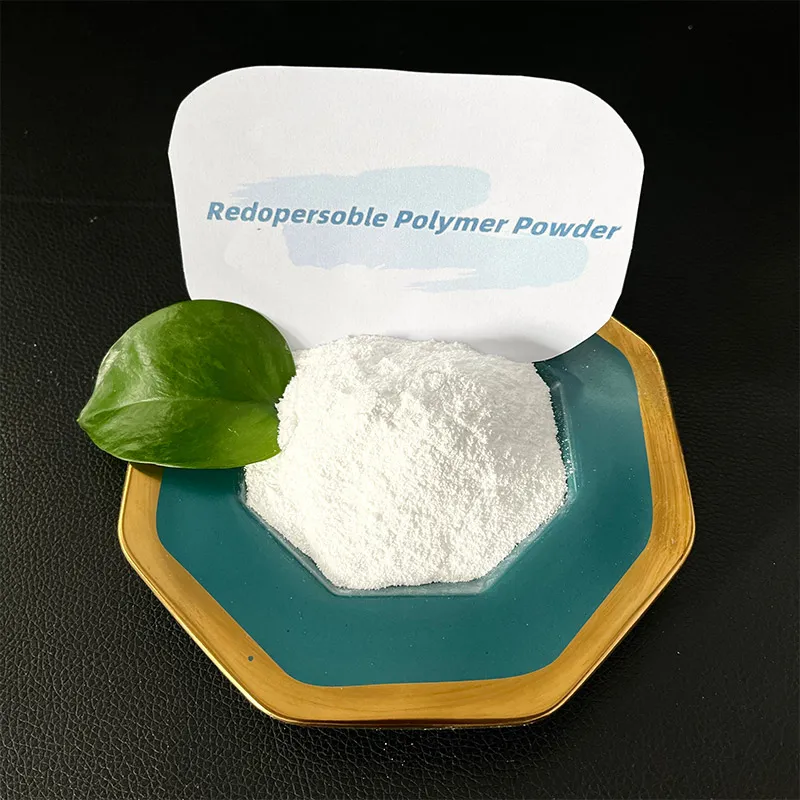
The Role of Starch Producers in the Ether Industry In the evolving landscape of modern industry, the synergy between traditional agriculture and emerging technology is becoming increasingly significant. Amongst the various bio-based materials, starch has emerged as a noteworthy player, particularly in its application within the ether industry. This article delves into the role of starch producers in the development of ether, examining the production process, applications, and the broader implications for sustainability. Understanding Starch and Ether Starch, a carbohydrate polymer made up of numerous glucose units, is predominantly sourced from crops such as corn, potatoes, and cassava. The starch extraction process involves grinding the raw material, treating it with water, and subsequently separating the starch granules. Once obtained, starch can undergo various chemical modifications to produce derivatives that can be used as ethers. Ethers, on the other hand, are organic compounds in which an oxygen atom is bonded to two alkyl or aryl groups. They are used widely in diverse industries, including pharmaceuticals, cosmetics, and food production. The use of ethers produced from starch is gaining traction due to their biodegradability and lower environmental impact when compared to synthetic counterparts. The Production Process Starch producers are pivotal in the supply chain for ether production. The journey begins with the cultivation of starch-rich crops, followed by efficient harvesting and processing. In many regions, this process not only supports local economies but also promotes agricultural sustainability. Once the starch is extracted, it is subjected to a series of chemical reactions. One common method involves the reaction of starch with alkyl halides in the presence of a suitable catalyst, leading to the formation of starch ethers. This modification improves the solubility and enhances the functional properties of starch, making it suitable for a wide array of applications. watengenezaji wa wanga ether Applications of Starch Ethers Starch ethers find applications across various sectors. In the pharmaceutical industry, they serve as excipients or binders in tablet formulations, enhancing drug delivery and stability. In the cosmetic sector, these ethers are valued for their thickening and emulsifying properties, contributing to the texture and stability of lotions and creams. Moreover, the food industry utilizes starch ethers as thickeners, stabilizers, and gelling agents. They provide essential functionality while meeting consumer demands for clean-label ingredients. As the trend towards natural and sustainable products continues to rise, the application of starch-based ethers is expected to expand further. Sustainability Implications The production of ethers from starch not only represents a technological advancement but also aligns with contemporary sustainability goals. Traditional petroleum-based chemicals are often linked to environmental degradation and climate change. In contrast, utilizing renewable resources such as starch reduces dependence on fossil fuels and promotes a circular economy. Starch producers who adopt environmentally friendly practices are fostering practices that contribute to biodiversity and soil health. Furthermore, as consumers become increasingly aware of sustainability issues, the demand for bio-based products is likely to grow. This shift presents an opportunity for starch producers to innovate and cater to a market that values environmental responsibility. Conclusion In conclusion, starch producers play a vital role in the ether industry by providing a sustainable raw material that meets various industrial demands. Their efforts not only support economic development but also lead to the creation of products that align with sustainability principles. As the world pivots towards greener alternatives, the relationship between starch and ether is set to become more crucial, leading to innovations that benefit both industry and the environment. The future of the ether industry looks promising, with starch at its heart, driving progress towards a more sustainable and eco-friendly landscape.
-
In the dynamic world of industrial applications, the need for reliable and effective thickening agents has never been more pressing. Hydroxypropyl methylcellulose (HPMC) emerges as a superior choice, presenting its unmatched capability to enhance the texture, stability, and performance properties of diverse products. Here's a comprehensive examination, backed by professional insights and user experiences, positioning HPMC as a thickening agent of unparalleled reliability and efficacy. HPMC is synthesized through the chemical modification of cellulose, one of the most abundant natural polymers. This backbone provides HPMC with both biodegradability and biocompatibility, making it a preferred choice over synthetic alternatives. The versatility of HPMC is evident in its widespread application across industries such as pharmaceuticals, food production, personal care, and construction materials. From an expert perspective, HPMC’s ability to act as a thickening, gelling, and stabilizing agent is attributed to its unique molecular structure. The molecule's hydrophilic nature facilitates its interactions with water, allowing it to form viscous solutions even at low concentrations. This characteristic is particularly beneficial in the food industry where consistency and mouthfeel are crucial. For instance, in products like sauces and dressings, HPMC ensures a smooth texture and improves shelf stability, meeting both manufacturer and consumer standards. Practical experiences reinforce HPMC's user-friendly nature and adaptability. For formulators in pharmaceuticals, the precision with which HPMC can be controlled is invaluable. It not only aids in the controlled release of active ingredients in drug formulations but also ensures the stability of active compounds, protecting them from environmental degradation. Moreover, in the realm of personal care, HPMC's non-ionic nature makes it compatible with a wide range of ingredients, including those that are sensitive to pH changes or ionic strength. Personal care products, including lotions, creams, and hair gels, leverage HPMC for its ability to deliver a pleasant texture while maintaining product stability throughout its shelf life. hpmc thickening agent Construction materials heavily rely on HPMC to enhance the workability of products such as cement and plaster. By modifying the viscosity of these materials, HPMC optimizes adhesive properties and water retention, leading to improved application efficiency and durability. This is crucial for both the construction workers who appreciate the improved handling properties and the end-users who benefit from longer-lasting structures. Authoritative studies and industry testimonials have consistently affirmed HPMC’s reliability as a thickening agent . Research indicates that its application can lead to significant cost reductions by minimizing the need for multiple additives. Furthermore, its performance is consistent across different environmental conditions, offering a level of assurance that few other thickeners can match. Trust in HPMC is also cemented by its regulatory approval across major markets. It meets the stringent safety and quality standards laid out by authorities such as the FDA and the EFSA, making it a go-to ingredient for global brands looking to maintain compliance and consumer trust. In conclusion, Hydroxypropyl methylcellulose stands out as a thickening agent combining expert-recommended benefits with real-world performance. Its comprehensive application portfolio, supported by scientific validation and widespread regulatory approval, ensures that it remains a cornerstone in the formulation of high-quality, stable, and efficient products across industries. The decision to incorporate HPMC into product lines is not just a choice of an individual chemical but a strategic step towards sustainable and reliable formulation strategies.
advantages
-

200000 Viscosities
Excellent product
We can produce pure products up to 200,000 viscosities
-

40000 tons
High yield
We don’t stop production all year round, and the annual output can reach 40,000 tons
-

24 hours
Quality service
We provide 24-hours online reception service, welcome to consult at any time
———— Inquiry Form
Schedule A services

-
 hpmc_enteric_coating
Oct . 25, 2025
Hydroxypropyl methylcellulose (HPMC) is widely recognized as a versatile compound that finds its app -
 produsen_hpmc-hidroksipropil_metil_selulosa_cina
Oct . 25, 2025
Utilizing Hydroxypropyl Methylcellulose (HPMC) in Skim Coats Expert Insights Hydroxypropyl Methylcel -
 que_es_la_celulosa_de_madera
Oct . 25, 2025
In modern construction and industrial applications, materials like redispersible polymer powder , vi


